
Risk Assessment for Suicide and Self-Harm:Fostering Hope and Resilience
In today’s fast-paced world, understanding the risk factors, protective factors, and warning signs for suicide and self-harm is crucial—for both individuals in distress and the professionals, loved ones, or helpers around them. At Hope & Bliss, our mission is to illuminate these topics not with fear, but with empathy, knowledge, and proactive care.
Unpacking Risk Assessment for Suicide & Self-Harm
Risk assessment for suicide involves structured tools—like the SAD PERSONS scale or the Suicide Ideation Questionnaire (SIQ)—that help identify individuals who might be experiencing suicidal thoughts. These tools, alongside inquiries about non-suicidal self-injury (NSSI), help clinicians distinguish between self-harm behaviors intended as emotional release versus actions signaling intent to die.
But there’s no silver bullet. Research shows that while these tools structure clinical conversations, none has shown strong predictive ability to foresee suicide with certainty. That makes awareness of risk factors and protective factors all the more important(Risk Assessment for Suicide and Self-Harm).
Key Risk Factors

Depression
Depression, other mental health disorders (including history of self-harm or prior suicide attempts)
Chronic pain
Chronic pain, substance abuse, or co-existing medical conditions

Childhood trauma
Childhood trauma, financial instability, or lack of social support
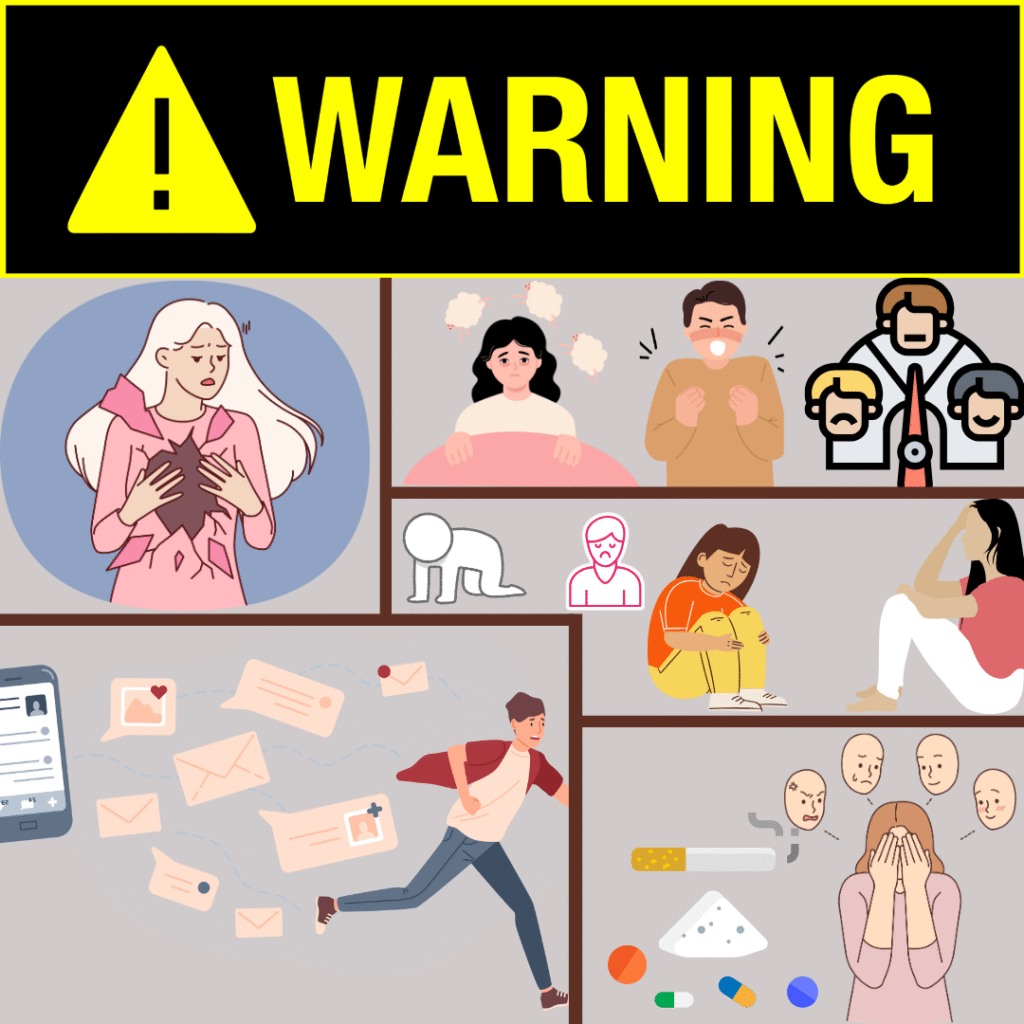
Protective Factors That Nurture Resilience
On the brighter side, protective factors can buffer against risk. These include strong supportive relationships, a sense of belonging, access to mental health care, coping skills, and engaging communities. Building these protective connections is central to recovery and prevention efforts.
Warning Signs of Suicide: What to Look For
Sometimes it’s the subtle shifts—changes in mood, behavior, or routine—that signal deeper struggles. Common warning signs include:
Talking about wanting to die or feeling hopeless
Withdrawal from social life, giving away possessions
Sleep disturbances, agitation, reckless behavior
Mood swings, increased substance use
Expressing feeling like a burden or hopelessness
Recognizing these signs early can catalyze timely intervention.
Tools in Clinical Practice
Hope & Bliss integrates well-validated tools like:
SAD PERSONS scale
Suicide Ideation Questionnaire (SIQ)
Columbia-Suicide Severity Rating Scale (C-SSRS)
Patient Health Questionnaire-9 (PHQ-9) with its suicidal ideation item
These help clinicians evaluate risk levels, distinguish between self-harm and genuine suicidal intent, and tailor responses accordingly.
A Compassionate Path Forward: Prevention & Intervention
At Hope & Bliss, our clinical approach blends:
- Structured screening & assessment: Identifying risks through tools and compassionate dialogue.
- Safety planning: Collaboratively developing plans that include coping strategies, support systems, and access points for help.
- Therapies like DBT, CBT-SP: Evidence-based approaches that build coping, emotion regulation, and resilience.
Follow-up care & connection: Regular check-ins, caring contacts, maintaining engagement and hope.
Adolescents & Special Populations
Youth and adolescents have unique profiles—where tools like the Suicide Ideation Questionnaire (SIQ) and PHQ-9A are designed for their age-specific needs. Forming trust, involving guardians, and tapping protective family and community supports are vital in these cases.
From Risk to Hope
Choosing to speak, to connect, to care—that is where transformation begins. Whether you’re navigating challenges yourself or supporting someone else:
Learn the warning signs
Stay curious, compassionate, non-judgmental
Reach out for help— therapy, hotlines, trusted friends or professionals can make a life-saving difference.
Hope & Bliss is here to support you—with guidance, clinical insight, and a belief in brighter tomorrows. If this topic resonates with you or someone you know, reach out to us—we walk the path with you, from risk toward resilience.
LSI Integration Recap (1-8)
Risk assessment for suicide
Self-harm risk assessment
Tools: SAD PERSONS, SIQ, PHQ-9, C-SSRS
Non-suicidal self-injury (NSSI) vs. suicide attempt
Focus on adolescent suicide risk
Role of depression and self-harm
Mental health screening tools in clinical practice
Strategies: suicide prevention strategies & warning signs of self-harm